How to Send Condolence Flowers to Italy

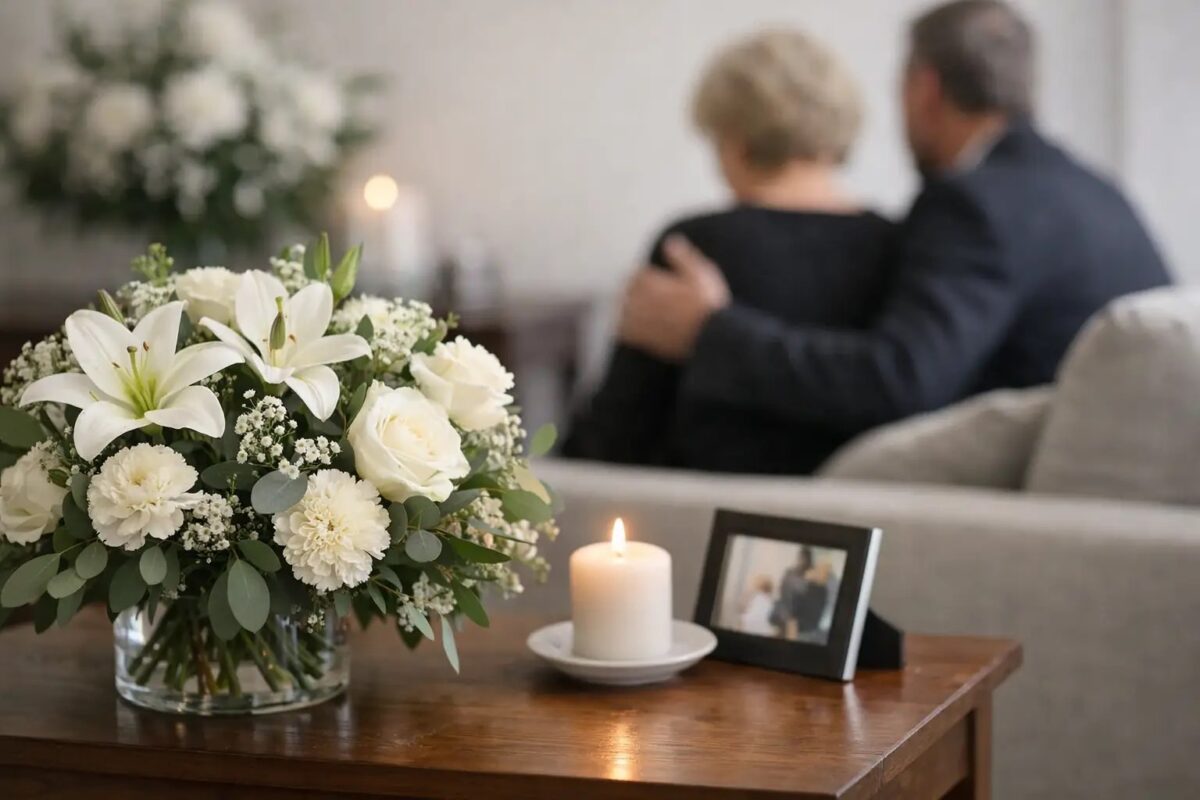
When you need to send condolence flowers to Italy, timing and tone matter as much as the flowers themselves. A sympathy delivery is not just a gesture of courtesy. It is a quiet way to be present for family and friends when you cannot stand beside them in person, and that is why choosing the right tribute deserves a little care.

When to send condolence flowers to Italy

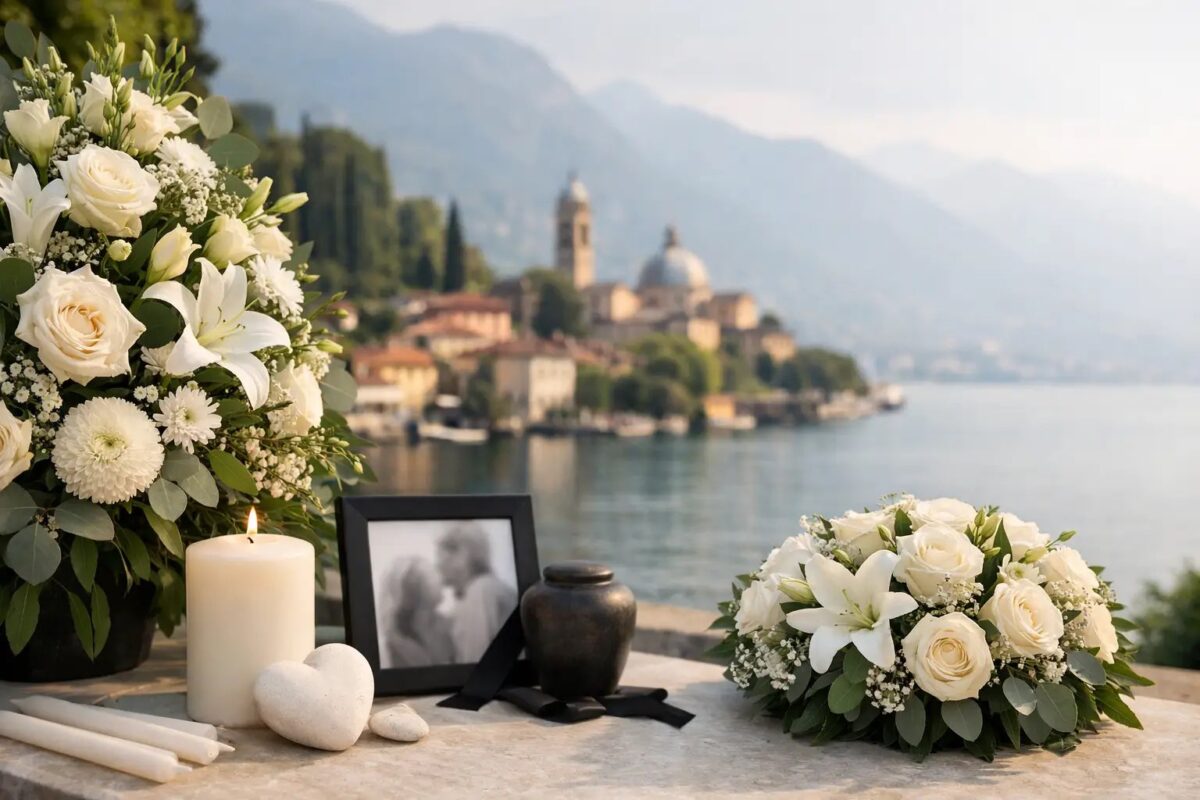
In Italy, flowers are a familiar and respectful part of mourning. They may be sent to the family home, to a funeral home, to a church, or directly to the cemetery depending on the stage of the service and the wishes of the family. If you are ordering from abroad, the safest approach is to confirm where the family is receiving tributes before placing the order.

If you have just learned of the loss, a bouquet or sympathy arrangement sent to the home can be a gentle first gesture. It offers comfort in the early hours, before practical details have settled. If the funeral date is already confirmed, a more formal tribute can be sent to the service location. Wreaths, standing sprays, and funeral cushions are often chosen for this moment because they are designed to be displayed during the ceremony.

There is also room for a later gesture. If you could not act immediately, sending flowers a few days after the funeral is still thoughtful. In many cases, a calm arrangement of white lilies, roses, or mixed seasonal flowers delivered to the home can feel more personal than a formal funeral piece.

Choosing the right sympathy flowers

Not every arrangement says the same thing. The right choice depends on your relationship with the bereaved, the destination of the flowers, and whether the tribute should feel intimate or ceremonial.

White flowers are the most traditional option for condolences in Italy. They express peace, respect, and remembrance. White lilies are especially common because they carry a sense of purity and solemnity. White roses feel softer and more personal, while chrysanthemums are also associated with remembrance in Italian funeral culture. Orchids and elegant green plants can be appropriate when you want to send something lasting and understated for the family home.

If you were very close to the deceased or the family, a larger tribute may feel appropriate. A wreath or standing arrangement gives a formal sign of respect. If your connection is more distant, a hand-tied bouquet or vase arrangement is often enough. Bigger is not always better here. What matters is that the flowers feel sincere and suitable for the moment.

Bouquets for the family home

A sympathy bouquet works well when you want to offer comfort directly to relatives. It is usually less ceremonial than funeral flowers and easier for the family to keep nearby in the days after the service. Soft white, cream, and pale pink tones are often the safest choice.

Funeral wreaths and formal tributes

If the flowers are intended for the ceremony, formal funeral designs are usually the better fit. A wreath, cross, heart, or spray carries a clear condolence message and suits churches, chapels, and memorial venues. These pieces should be ordered with accurate delivery details, because late arrival can create stress at a difficult time.

The message matters as much as the flowers

Many customers worry more about the card than the arrangement. That is normal. When grief is involved, a few simple words often feel more respectful than a long message.

Keep the note warm, brief, and direct. You can write that you are sorry for the loss, that you are thinking of the family, or that you are sending love and prayers. If you knew the deceased personally, a short line of remembrance can be meaningful. If you did not, it is perfectly acceptable to focus only on support for the family.

For example, messages such as “With deepest sympathy,” “Thinking of you during this painful time,” or “Our thoughts are with you and your family” are always appropriate. If the family speaks Italian and you want to add a local touch, a short phrase like “Sentite condoglianze” can be appreciated, but only if you are comfortable using it correctly.

What to know before you order from abroad

When you arrange sympathy delivery into Italy from another country, practical details become very important. Even the most beautiful arrangement loses value if the address is incomplete or the venue cannot accept deliveries at the requested time.

Start with the full recipient name, phone number, and exact delivery address. If flowers are going to a church or funeral home, include the name of the deceased and the service time. This helps the local florist match the tribute to the correct ceremony. If the delivery is for a private home, think about whether someone will be available to receive it.

It also helps to be realistic about product choice. Some designs shown online may vary slightly depending on local flower availability and the season. That is not necessarily a drawback. In fact, arrangements prepared by local Italian florists are often fresher and more suitable for the area because they are created close to the delivery destination rather than shipped long distance.

Same-day service for urgent condolences

Sometimes there is very little time. If you have just received the funeral details and need a prompt response, same-day delivery can make a real difference. This is especially helpful for international buyers who cannot attend in person but still want their tribute to arrive at the right moment.

Same-day service depends on order time, florist availability, and the destination, so it is wise to place the order as early as possible. For funeral deliveries, earlier is even better because venues may have narrow receiving windows.
Continue reading “How to Send Condolence Flowers to Italy”

Sympathy Tribute Selection Guide for Italy

When someone you care about is grieving in Italy, choosing the right funeral flowers can feel heavier than any other order. This sympathy tribute selection guide is here to make that decision gentler, clearer, and more respectful, especially when you are arranging everything from abroad.

Sympathy flowers are not just a formal gesture. They carry presence when you cannot be there in person, and they help express closeness, respect, and remembrance without forcing words that may be hard to find. The right tribute depends on who has passed, your relationship with the family, the setting of the service, and how you want your message to be received.

How to use this sympathy tribute selection guide

The first question is simple: are you sending flowers to the funeral service, to the church or cemetery, or directly to the family home? That choice affects the most suitable style.

If the tribute is meant for the funeral ceremony, more formal arrangements are usually the safest option. Wreaths, sprays, and larger standing tributes are traditional choices because they suit the solemnity of the occasion and are designed to be displayed publicly. If you are sending condolences to the family home, a vase arrangement, a plant, or a softer bouquet often feels more personal and less ceremonial.

There is no single correct choice for every situation. A close family member may choose a larger and more symbolic tribute, while a friend, colleague, or distant relative may prefer something elegant but more restrained. In sympathy gifting, appropriateness matters more than size.

Which tribute suits the occasion best

Wreaths for formal respect

A wreath is one of the most traditional funeral tributes. Its circular shape is often associated with continuity, remembrance, and eternal affection. It is usually chosen for services in churches, funeral homes, or cemeteries, and it communicates a very clear message of honour and solemn respect.

If you are sending flowers on behalf of a family group, a business, or several friends together, a wreath can be an especially suitable choice. It feels official without being cold. The trade-off is that it may feel too formal for a quiet condolence sent to a private home.

Sprays for elegance and visibility

Funeral sprays are another classic choice. They are often generous in size and designed to be placed near the coffin or within the ceremonial space. If you want a tribute that feels graceful, dignified, and visibly supportive, a spray is often the right middle ground between tradition and softness.

Sprays work well when you knew the deceased personally and want to send something meaningful, but not necessarily as symbolic as a wreath. They are also practical when local florists need to prepare something refined for same-day funeral delivery.

Bouquets and vase arrangements for the family home

If your intention is to comfort the family after the service, home-suitable arrangements are often a better choice than a ceremonial tribute. A hand-tied bouquet, a vase arrangement, or a basket arrangement can offer sympathy in a gentler way. These pieces are easier to receive, easier to place at home, and less formal in tone.

This option is often ideal if the funeral has already taken place, if you are sending condolences a few days later, or if you want your flowers to support the family in private rather than in public view.

Plants for lasting remembrance

A green plant or flowering plant can be a thoughtful alternative to cut flowers. Plants suggest continuity, care, and ongoing remembrance. They can feel especially appropriate when you want to send a message that lasts beyond the day of the funeral.

That said, plants depend on the recipient. Some families appreciate a living tribute they can keep, while others may not want the responsibility of care during a difficult time. If you are unsure, flowers are usually the more universally comfortable option.

Choosing the right flowers and colours

In sympathy arrangements, colour speaks before the card is read. White is the most traditional and widely appropriate choice. It suggests peace, purity, and respect, and it works well for almost every relationship and setting.

Cream tones and soft pastel shades can also be suitable when you want the tribute to feel warm rather than stark. Pink may express affection and tenderness, particularly for someone dear to the family. Pale yellow can communicate light and remembrance, but it should be used delicately.

Bright mixed colours can be right in some cases, especially if the family has requested a celebration of life or if the deceased was known for a vibrant personality. Still, when ordering from a distance and without specific guidance, a calmer palette is usually the safer decision.

Lilies, roses, chrysanthemums, orchids, and carnations are all common choices for sympathy tributes. Lilies are especially traditional and dignified. White roses speak of love and reverence. Chrysanthemums are strongly associated with remembrance in many European funeral traditions, so they are often an appropriate and meaningful selection.

What your relationship should guide

A sympathy tribute should reflect closeness honestly. Bigger is not always better, and a modest tribute can feel more sincere than an arrangement that seems chosen only for impact.

For immediate family, very close friends, or a beloved partner, a substantial wreath or spray may be appropriate. For extended family, neighbours, friends, or colleagues, an elegant bouquet or medium-sized arrangement often feels balanced and respectful.

If you are sending flowers on behalf of a company, a formal design with neutral colours is usually best. It conveys support without becoming too personal. If you are ordering as one individual with a deep emotional bond, a softer and more intimate arrangement may say more.

Continue reading “Sympathy Tribute Selection Guide for Italy”

What to Write Funeral Ribbon: Simple Ideas

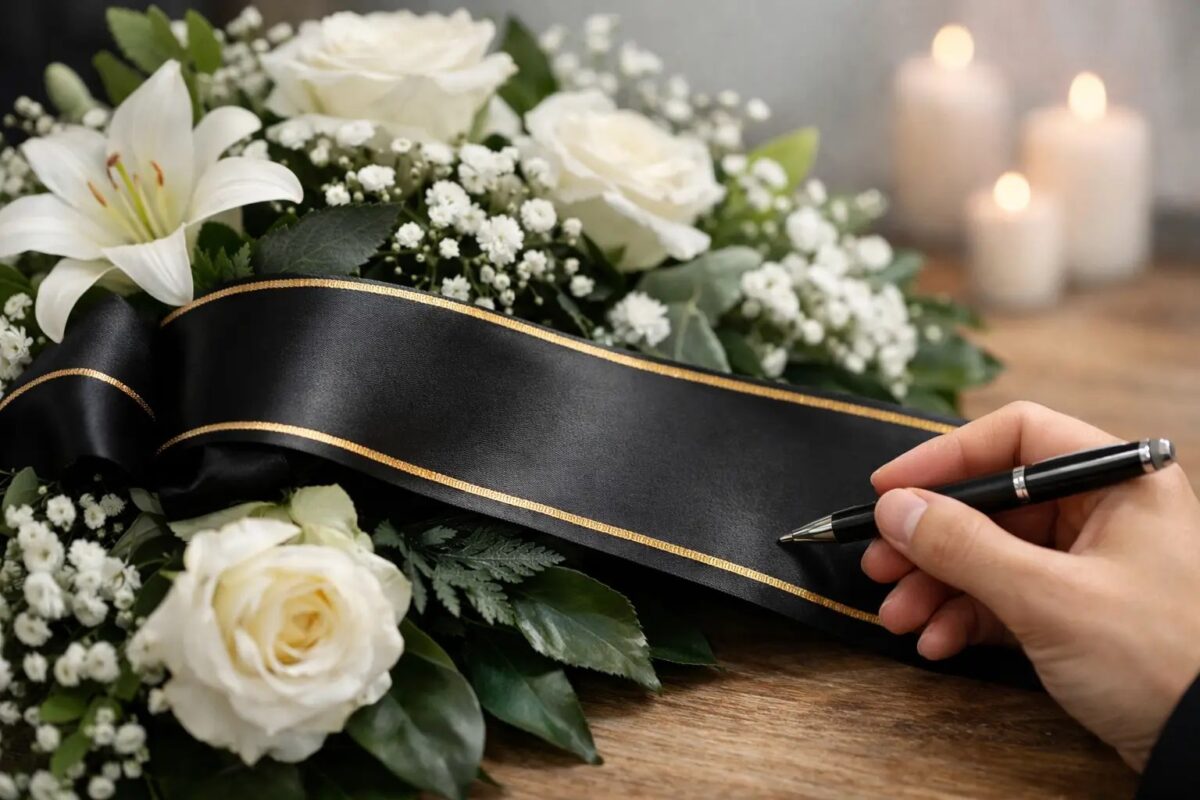
When you are choosing sympathy flowers, the hardest part is often not the arrangement. It is deciding what to write funeral ribbon message in a few short words that feel respectful, sincere, and right for the person who has passed away. A ribbon leaves very little space, so every word carries weight.In moments like this, most people are not looking for something poetic. They want something dignified, warm, and appropriate for the family, especially if they are sending flowers to Italy from abroad and need the message to be immediately clear. The best funeral ribbon wording is usually short, heartfelt, and easy to read at a glance.

What to write funeral ribbon messages should sound like

A funeral ribbon is different from a condolence card. On a card, you can write a full message, share a memory, or offer support to the family. On a ribbon, there is room for only a brief tribute. That is why the wording should be direct and gentle.

In most cases, the safest choice is a message of two to five words, followed by the sender’s name if space allows. You do not need to explain your relationship or say too much. Simple words often feel the most sincere.

Good ribbon messages usually express one of these feelings: love, remembrance, farewell, peace, or sympathy. If you try to fit too much into the ribbon, it can feel crowded and lose its emotional impact.

Short and classic funeral ribbon phrases

If you are unsure what to write, start with a timeless phrase. These are appropriate for almost any funeral tribute and work well on wreaths, sprays, and casket flowers.

Some of the most suitable choices are: With Love, In Loving Memory, Rest in Peace, Forever Remembered, Our Deepest Sympathy, With Heartfelt Sympathy, Always in Our Hearts, and Farewell.

These messages are widely understood and never feel excessive. They are especially useful when you are sending flowers on behalf of a family, a couple, or a business contact and want to stay respectful without sounding too personal.

What to write on a funeral ribbon for family members

If the flowers are being sent by close relatives, the ribbon can feel more intimate. In this case, the message can reflect love and family connection, while still staying brief.

For a mother or father, phrases such as Beloved Mum, Beloved Dad, With All Our Love, or Forever in Our Hearts work well. For a husband, wife, or partner, you might choose My Beloved, With Endless Love, or Always Loved. For a grandparent, much depends on the family tone. Some families prefer formal wording like In Loving Memory, while others choose something warmer such as Dear Nonna or Dear Nonno.

The trade-off is simple. The more personal the ribbon, the more moving it can feel for close family. But if many people will see it and the relationship is private or complicated, a more classic phrase may feel safer.

Continue reading “What to Write Funeral Ribbon: Simple Ideas”

When Should Sympathy Flowers Arrive?

A late bouquet can feel accidental. A well-timed sympathy arrangement feels like care, respect, and presence – especially when you are far away and trying to support someone in Italy from abroad. If you are wondering when should sympathy flowers arrive, the short answer is this: they should reach the family or the funeral location early enough to offer comfort, never so late that the moment has passed.

That said, sympathy flower timing is not one rule for every situation. It depends on where the flowers are going, what kind of tribute you are sending, and whether your goal is private comfort for the family or formal respect at a service.

When should sympathy flowers arrive for each situation?

The best timing changes with the setting. Flowers sent to a family home follow different etiquette than flowers sent to a funeral home, church, or cemetery.

If you are sending flowers to the home, they can arrive as soon as you hear the news or within the first few days after the loss. This is often the most personal option. A soft bouquet, white lilies, roses, orchids, or a peaceful plant can bring immediate comfort during the first difficult hours, when family members are receiving calls, visitors, and condolences.

If you are sending flowers to a funeral home or chapel, they should usually arrive before the viewing, wake, or service begins. Earlier is better than last minute. Florists and staff need time to place the arrangement properly, check the card message, and make sure everything looks respectful.

If the delivery is for a church funeral, the safest choice is to arrange arrival on the same day, but well before the ceremony starts. Waiting until the service is already underway creates stress and may mean the flowers are not displayed as intended.

If you plan to send flowers to the graveside or cemetery, timing is even more delicate. Not every cemetery accepts direct floral deliveries in the same way, and not every service includes time for arranging tributes on site. In those cases, coordination matters more than speed.

Sending sympathy flowers to the family home

Home delivery is often the right choice when you want your flowers to say, “I am thinking of you” rather than “I am contributing to the ceremony.” It is gentle, personal, and appropriate even if you cannot attend the funeral.

For home delivery, the ideal moment is usually within 24 to 72 hours after the loss becomes known. That gives the family support while condolences are still being received. It also avoids the feeling of an afterthought.

Still, later can be meaningful too. Many people focus on the funeral date, but grief does not end there. Sending flowers a week later, or even after family members return home from services, can be deeply appreciated. In fact, this is one of the most overlooked choices. Right after the funeral, the house often becomes quiet, and that is when a kind gesture can feel especially sincere.

If you know the family is overwhelmed by visitors, food, and practical arrangements, a smaller arrangement or a flowering plant may be more suitable than a large formal tribute. The goal at home is comfort, not ceremony.

When should sympathy flowers arrive at the funeral home?

For funeral home delivery, try to schedule the flowers to arrive at least a few hours before the first scheduled visitation or memorial event. If the viewing is in the afternoon, morning delivery is usually the safest approach. If the service is early in the day, the flowers may need to arrive the previous evening or very early that morning, depending on local florist logistics.

This matters for two reasons. First, funeral staff need time to place and organize tributes. Second, the arrangement should already be present when close family members arrive.

Large standing sprays, funeral wreaths, and cross-shaped tributes especially need advance arrival. These are display pieces, not casual bouquets. They become part of the visual expression of remembrance, so timing affects both etiquette and presentation.

If you are ordering from another country for delivery in Italy, giving clear service details is essential. The full name of the deceased, the venue, the date, and the service time all help avoid mistakes. Sympathy orders are emotional purchases, but they also depend on precise information.

Church delivery needs more care

A church service can be less flexible than a home or funeral home delivery. Access hours may be limited, staff may not be present all day, and ceremonies often run on a strict schedule. That is why same-day church delivery should be arranged with enough margin, not at the last possible moment.

In most cases, flowers should arrive several hours before the funeral mass or religious ceremony. This allows time for placement near the altar, coffin, or designated memorial area, depending on local custom and the church’s preferences.

There is also a cultural side to consider. In Italy, funeral traditions can vary by region, parish, and family preference. Some families welcome floral tributes at the church, while others may prefer flowers sent to the home or funeral home instead. If you are unsure, asking the family or relying on an experienced local florist network is the best way to avoid an awkward choice.

The day after the funeral is not too late

Many buyers worry that if they missed the funeral, they missed the chance to send sympathy flowers. That is simply not true.

Flowers sent after the funeral can feel more intimate and less formal. They reach the family during the quieter days that follow, when messages slow down and grief becomes more private. A tasteful bouquet or condolence plant delivered to the home a few days later can express lasting support rather than ceremonial obligation.

This is often the right option if you learned about the death late, if international time zones delayed your order, or if same-day funeral delivery is no longer realistic. Better a thoughtful delivery at the right emotional moment than a rushed arrangement that arrives too late for the service and too early for the family’s return home.

Continue reading “When Should Sympathy Flowers Arrive?”