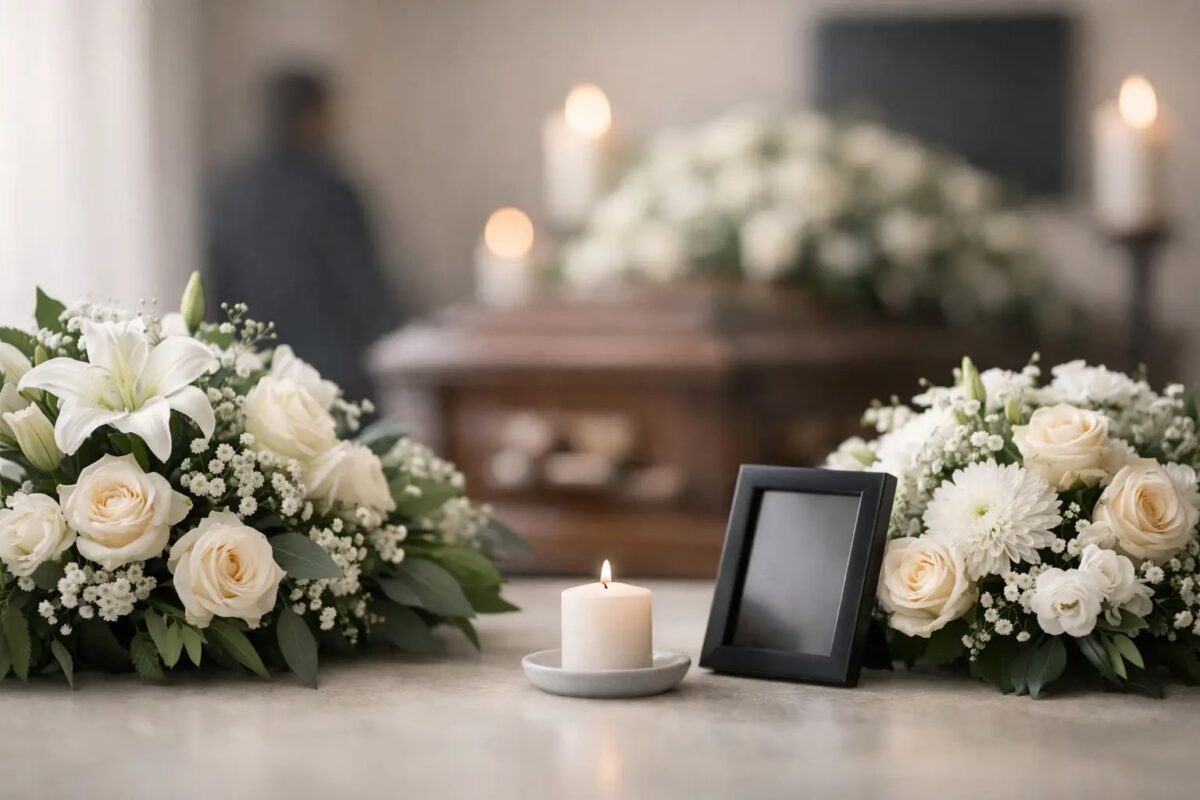
Why condolence flowers still matter
In moments of loss, words often feel too small. Flowers help when language falls short. They offer presence, gentleness, and a visible sign that someone is not alone in their grief.
That is why sympathy flowers remain such a meaningful gesture across Italy and beyond. They are not about making a grand impression. They are about showing care in a quiet, dignified way. For many families, receiving flowers during mourning is a comfort because it reminds them that friends and relatives, even from abroad, are thinking of them.
If you live outside Italy, sending flowers can also bridge distance in a very real way. You may not be able to attend the funeral or visit the family in person, but a fresh arrangement prepared by a local florist can still carry your affection and support at the right time.
A guide to condolence flower etiquette for different situations
The first question is usually simple: where should the flowers go? The answer depends on your relationship with the deceased and the family, as well as the stage of mourning.
If you are sending flowers as soon as you hear the news, they can often be delivered to the family home. This is usually the most personal choice, especially if the flowers are meant to comfort close relatives rather than serve as a formal funeral tribute.
If the service details are already known, you may prefer to send the arrangement directly to the church, funeral home, or memorial venue. This is common when you want the flowers to be part of the ceremony itself. In Italy, timing matters. Funeral services are often arranged quickly, so same-day or next-day delivery can be especially important.
There is also a difference between sympathy flowers and funeral flowers. A hand-tied bouquet, a vase arrangement, or a plant is often suitable for the family home. Larger wreaths, crosses, and formal standing tributes are more appropriate for the service. If you are unsure, the safer choice is usually something elegant and understated rather than highly elaborate.
Which flowers are appropriate
White flowers are the classic option for condolences because they express peace, purity, and remembrance. White lilies are one of the most traditional choices. Roses in white or soft pastel shades are also appropriate, as are chrysanthemums, orchids, and carnations.
That said, etiquette is not only about tradition. It is also about context. If the person who passed away loved a certain flower or color, a more personal arrangement can be deeply thoughtful. Soft pinks, creams, and muted tones can feel warm and sincere without appearing too celebratory.
Bright mixed bouquets can be acceptable in some cases, but it depends on the family and the tone of the service. If you know they prefer something uplifting and less formal, a gentle seasonal arrangement may be welcome. If you do not know their preferences, choose restraint. Sympathy flowers should feel respectful first, decorative second.
Plants are another good option, especially for home delivery. An orchid or green plant lasts longer than cut flowers and can offer comfort in the days after the funeral, when many floral tributes have already faded.
What to write on the condolence card
This is where many people hesitate most. The message does not need to be perfect. It only needs to be sincere.
A short note is usually best. You can say that you are sorry for their loss, that you are thinking of the family, or that the deceased will be remembered with affection. If you knew the person well, a brief personal line can make your message more meaningful. If your relationship was more formal, keep the wording simple and respectful.
Avoid anything too casual, humorous, or overly detailed. A condolence card is not the place for long explanations. It is also wise not to include phrases that assume a family’s beliefs unless you are certain of them.
If you are sending from abroad, write clearly and sign with your full name so the family immediately knows who sent the flowers. This matters more than people think, especially when many tributes arrive at once.
When not to send condolence flowers
Flower etiquette also includes knowing when another gesture may be more suitable. Some families may ask for donations instead of flowers. If that wish has been clearly stated, it should be respected.
Religious and cultural customs can also affect what is appropriate. While flowers are widely accepted for sympathy in Italy, some families may prefer a very modest approach. If you know the family well, follow their values rather than generic rules.
There are also situations where food baskets, a written card, or a later plant delivery may feel more helpful than formal funeral flowers. This can be especially true if some time has already passed and you want to offer support beyond the day of the service.